Bienvenue sur Jayateas, le blog des amoureux du thé et de la bonne cuisine. Ce blog est né d'une envie de partager ce qui était d'abord un simple centre d'intérêt et qui est devenu au fil des ans une vraie passion : apprendre à cuisiner sainement tout en conservant l'aspect gourmand des recettes. Nous aimons par-dessus tout cuisiner bio, car ainsi nous évitons d'absorber des pesticides et le goût des aliments est souvent bien meilleur. À travers des astuces culinaires personnelles et des bons conseils trouvés sur d'autres excellents blogs, nous espérons vous transmettre notre goût pour le thé bio et ses vertus antioxydants, tout comme pour l'art de cuisiner des plats délicieux avec les bons ingrédients, ou l'art de décorer vos plats préférés tels que des cupcakes ou des gâteaux.
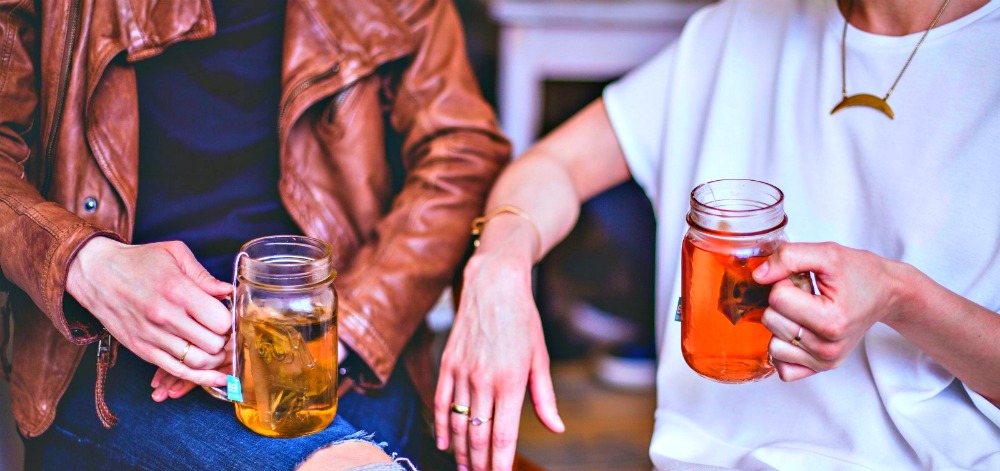
Le blog du thé bio et de la gastronomie est enfin ouvert !
Un blog culinaire tourné vers le thé mais pas que…
Pour ce premier billet, nous avons tenu à mettre les pieds dans le
plat en attaquant avec une petite perle du net en matière de
gastronomie maline et de conseils et astuces autour du thème de la
restauration en général. Précieuse source d'informations, ce
blog culinaire
aborde en effet une multitude de sujets comme des astuces pour
préparer des jus délicieux au moyen d'extracteur
de jus, les bienfaits de l'ananas et ses vertus amaigrissantes ou
encore des idées pertinentes pour commencer à suivre un mode
d'alimentation vegan sans faire les erreurs classiques qui mènent
souvent à des carences, notamment la fameuse vitamine B12. Il y a
aussi plein de trucs et astuces concernant l'entretien de sa
cuisine, de son matériel de cuisine pro, des conseils en
pâtisserie, des idées sympa pour cuisiner avec ses enfants et des
infos utiles concernant l'alimentation qu'il est préférable de
leur donner. Et pour ces derniers, il y a même des
articles gourmands qui parlent de bonbons, mais
on ne vous en dira pas plus :)
Découvrez une multitude d'idées de recettes de cuisine made in
France et…
Ici nous aimons les passionnés qui s'impliquent dans leur art pour
en faire profiter les autres. Sandrine fait partie de ceux-là et
nous avons eu l'occasion de la rencontrer il y a peu, doux moment
où nous avons pu échanger sur le thème de la cuisine française,
qui fait partie des domaines de la cuisine que nous adorons. Des
idées de plats en tout genre, des recettes aussi bien sucrées que
salées, voire même sucrées-salées, Sandrine nous a franchement
épatés. Je crois qu'elle a également bien aimé nos prestations en
matière d’idée recette cuisine
, car elle nous a très vite demandé l'adresse de notre blog sur le
thé et la gastronomie dès que nous l'avons évoqué
lors de notre conversation gourmette. Elle n'avait jamais essayé
le thé vert bio par exemple, aliment santé par excellence qui
accompagne si bien les pâtisseries lors de nos pauses gourmandes.
Nous avons particulièrement aimé son blog de qualité, avec une
mention spéciale pour ses suggestions de mets végétariens et ses
idées de recettes pour l'été qui nous ont mis l'eau à la bouche
dès les premières lignes. Pour qui est à la recherche
d'inspiration, il y a de quoi faire !
Redécouvrez les plaisirs d'antan avec les gommes vertes bio et autres bâtons de réglisse
Attention, on va parler de choses absolument délicieuses ! Vous
vous souvenez peut-être des boulangeries ou confiseries dans
lesquelles vous ou vos parents achetaient des bonbons en certaines
- trop rares ! - occasions... Dans mon souvenir, c'était avant
tout joli. Des emballages aux couleurs éclatantes, des petites
boîtes contenant des bonbons, les fameux bâtons de réglisse... Eh
bien si vous êtes un peu nostalgique comme moi, vous allez
sûrement adorer cette boutique qui propose toutes sortes de
bonbons bios aux fruits et aux plantes, et même une vraie
sélection de bonbons traditionnels sans sucres, mais surtout ses
spécialités de bonbons à l'ancienne à base de
gommes vertes bio ,et ça c'est vraiment une
rareté de nos jours :
https://www.nicebonbon.com/boutique/
. Nous avons particulièrement aimé la présentation des bonbons
dans des jolies boîtes à l'ancienne dans lesquelles on entend les
bonbons glisser quand on les prend en main. Il y a toutes sortes
de parfums recherchés comme par exemple violette, fraise crème,
orange cannelle, hmmm ! On a bien ri avec les pastilles fraîcheur
à la rose !
Dégustez des articles sur la « gastronomy cooking » venue
d'Angleterre
Si parmi vous, certains sont à l'aise avec l'anglais, vous serez
alors surement intéressés de découvrir les recettes des desserts
préférés des Français vues par un chef pâtissier qui a grandi et
vit dans le Yorkshire, en Angleterre. Thomas a hérité de la
passion pour la gastronomie présente dans sa famille depuis 5
générations et présente sur son blog dédié à la cuisine des
spécialités du monde entier, des aliments originaux, mais aussi
des articles très inspirants sur des sujets sensibles comme
l'alimentation sans gluten, et bien sûr il a toute une fournée
d'idées de desserts à partager, ce qui n'est pas pour nous
déplaire et quelque chose me dit que cela ne vous déplaît pas non
plus ! L'intérêt ici est que l'on a accès à l'art de
cuisiner à l'anglaise : le
gastronomy cooking ,
comme on dit au pays de la Reine Elizabeth. Évidemment si vous
connaissez des amis anglophones, vous pouvez leur montrer ce blog
vraiment sympa pour qu'ils vous traduisent quelques passages si
vous ne comprenez pas tout.
Faites de la cuisine de qualité et arrêtons ensemble les mauvaises pratiques culinaires
S'il est un ingrédient que nous aimons utiliser dans tous nos plats et qui doit faire partie de chaque repas digne de ce nom, c'est bien le plaisir. Et si en cuisine comme dans n'importe quel domaine de la vie, il faut savoir garder le sens de la mesure, il est selon nous essentiel de ne pas se priver des plats qui nous font envie. Le tout est de consommer des aliments de qualité et de coupler son alimentation à une bonne pratique sportive, ce qui aide à maintenir son corps au top tout en pouvant manger ce que l'on veut. Grâce à ce blog de cuisine de qualité , vous allez apprendre des tonnes de choses pratiques et inédites. On retrouve bien sûr les thèmes qui nous sont chers, comme comment décorer un gâteau, mais aussi des recettes de bûches, des conseils pratiques concernant l'utilisation d'un extracteur de fruits - qui permet notamment de ne pas détruire les vitamines lors de l'extraction, contrairement aux mixeurs ou Blender qui tournent souvent trop vite et détériorent les nutriments contenus dans les fruits et légumes -, et bien d'autres encore.
Idée recette du mois : Le saumon fumé écossais BIO aux légumes verts
Parmi les viandes les plus saines qui existent, le saumon est
peut-être bien sur la première place du podium. Riche en omégas 3
et oméga 6 dans les proportions optimales, il permet en plus de
son apport en protéines d'absorber les bonnes graisses saines
nécessaires au bon fonctionnement de notre organisme. Quand il est
fumé, il se conserve plus longtemps et développe des arômes exquis
qui font de cette spécialité un mets privilégié. En raison de
certains médicaments utilisés en masse dans les élevages pour
protéger les saumons des maladies et qui se retrouvent ensuite
dans nos assiettes puis dans notre corps, de plus en plus de
pisciculteurs sont passés à l'élevage de saumon bio, qui nous prémunissent de
ces particules dont on ne sait pas
encore à quel point elles sont nocives pour notre santé. Le
poissonnier propose des bons conseils sur la consommation de ce
poisson et ou trouver du véritable
saumon fumé écossais BIO
ici, mais aussi
beaucoup d'autres variétés. Une vraie mine d'or en matière de
bonnes adresses pour acheter son poisson en gardant l'esprit
tranquille. Voici la recette : haricots vapeur à l'ail,
saumon fumé sur son blini géant accompagné de
crème fraîche légère, poivre et citron ! Un vrai régal, et simple
comme tout !
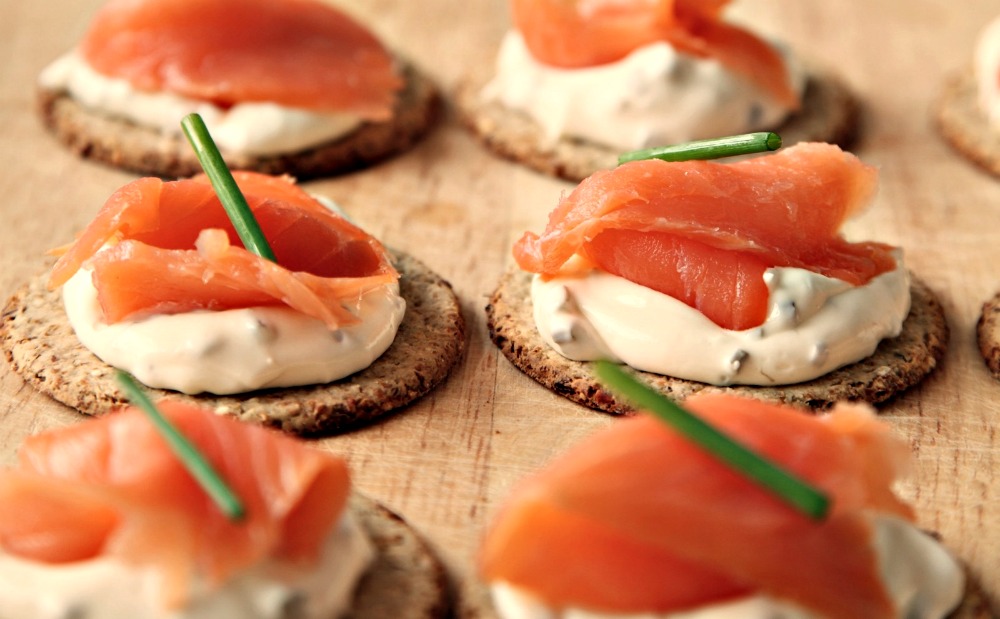
Goutez et savourez le saumon fumé écossais BIO sur un Blini,
parfait pour l'apéro !
Rendez-vous régulièrement sur Jayateas pour des conseils en cuisine qui vous faciliteront la vie !
Parce que sur Jayateas nous aimons partager, nous avons ajouté un
blog culinaire de premier choix à notre sélection permanente. Vous
y trouverez comme souvent avec nous des
trucs et astuces sur l'alimentation ainsi que des
conseil en cuisine et autour
du thème des produits bio, comme ces articles surprenants sur le
maquillage bio ou encore les trop peu connus jus de légumes et
leur lot de bienfaits pour le corps. Il y a sur ce blog un billet
très utile pour tous ceux qui se lancent dans le veganisme, ce
mode de vie qui implique de ne plus être en contact avec le
moindre produit d'origine animale, et encore moins d'en manger.
L'auteur du blog nous livre un vrai témoignage sur son expérience
vegan et nous présente des dossiers santé & gastronomie
particulièrement instructifs sur les huiles végétales bios, les
compléments alimentaires et bien d'autres sujets encore.
Dans notre société en évolution permanente, suivre les nouvelles tendances alimentaires est devenu une nécessité pour certains et un hobby pour d'autres. Comme vous, nous aimons faire de bons gâteaux et manger de délicieux plats préparés avec amour. Mais nous sommes conscient de l'importance d'allier plaisir et santé, raison pour laquelle nous proposons chaque semaine une sélection d'articles et de bonnes adresses pour se familiariser avec le monde merveilleux de la cuisine bio. Au fait : vous reprendrez bien une tasse de thé avec vos cakes design bio ? ;)